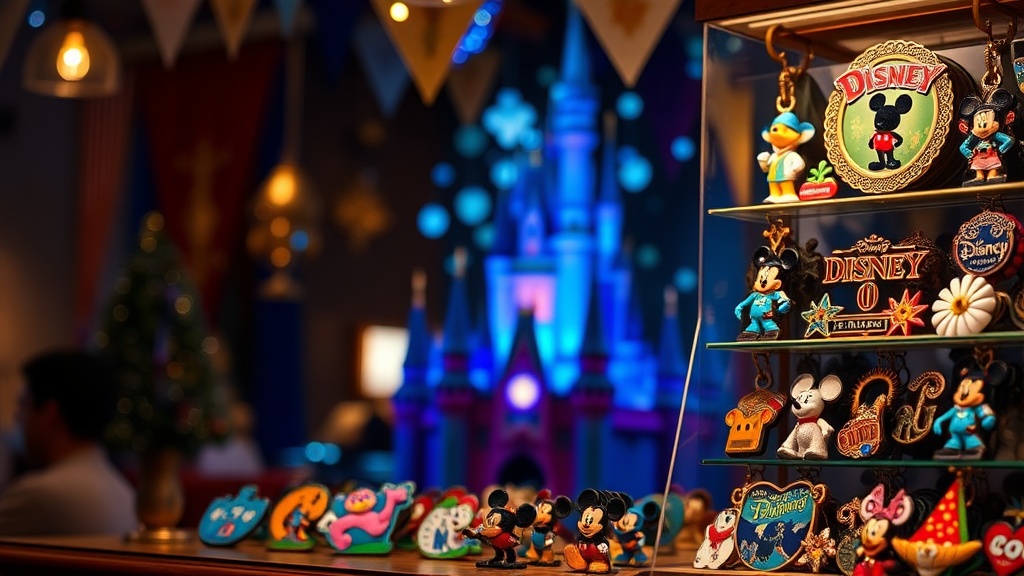
Keeping Your Disney Pin Collection in Pristine Condition

Imagine opening your favorite display case only to find a layer of dull oxidation on a limited edition Mickey pin, or spotting a tiny scratch across the enamel of a hard enameled star. It's a heartbreaking moment for any serious collector. Whether you're dealing with the humidity of a Philly summer or the dry air of a mountain retreat, your pins are susceptible to environmental wear. This post covers the practical steps for cleaning, storing, and maintaining the luster of your collection so your investment keeps its value.
A high-quality pin isn't just a piece of metal and paint; it's a piece of art. When you treat it like a piece of jewelry, it lasts. When you treat it like a toy, it degrades. We'll look at how to handle these items without causing permanent damage.
How do I clean a Disney pin without damaging the enamel?
Cleaning a pin might seem simple, but the wrong approach can ruin a vintage piece or a high-end limited edition. Most of the time, you just need a bit of care, but sometimes a deeper clean is required. You should never use harsh chemicals or abrasive pads. If you use a scouring pad or a heavy-duty cleaner, you might strip the gold plating or scratch the recessed enamel areas.
For a standard cleaning, follow these steps:
- The Soft Cloth Method: Use a microfiber cloth—the kind you'd use for eyeglasses—to gently buff away fingerprints and surface oils. This works for 90% of your collection.
- The Soap and Water Method: If there is actual debris in the recessed lines, use a tiny drop of mild, pH-neutral dish soap. Mix it with lukewarm water. Dip a soft-bristled toothbrush (use a new one, never an old one you've used for teeth!) into the suds and very lightly swirl it around the design.
- Drying is Non-Negotiable: Never let a pin air-dry if there is soapy residue or moisture left in the crevices. This can lead to oxidation. Pat it dry with a lint-free cloth immediately.
If you're dealing with stubborn oxidation, you might be tempted to use metal polish. Stop right there. Most metal polishes are far too aggressive for the delicate plating on Disney pins. If a pin is truly tarnished, it's often better to consult a professional or accept that the patina is part of its history.
What is the best way to store my pins to prevent damage?
Storage is where most collectors fail. You can't just toss your pins into a plastic bin and expect them to stay perfect. Friction is the enemy. When pins rub against each other, they scratch the enamel and the metal surfaces. This is why a dedicated display system is so important.
Consider these three common storage styles:
- Display Boards: Using cork boards or fabric-covered pin boards is a classic. It keeps pins upright and prevents them toppling. However, if you're mounting them on a wall, ensure the board isn't in direct sunlight, as UV rays can actually fade certain types of soft enamel over time.
- Pin Books: These are fantastic for collectors who travel or want to keep their collection organized by theme. They provide a soft, padded environment that keeps pins from clashing.
- Individual Sleeves: For your most expensive, high-value pieces, place them in individual small plastic bags or archival-safe sleeves. This prevents any contact with the air or other pins.
You can find high-quality storage supplies at retailers like Disney Pins enthusiasts often use, or even through specialized hobby shops. The goal is to minimize contact between the metal and any abrasive surfaces.
Can humidity actually hurt my Disney pins?
Yes, it can. High humidity is a major factor in the oxidation of the metal components. If you live in a coastal area or a place with high seasonal humidity, you might notice your pins developing a duller finish or even a greenish tint (verdigris) around the posts. This is usually a reaction between the copper or brass base metal and the moisture in the air.
To fight this, you can use silica gel packets. You know those little packets that come in new shoe boxes? Those are lifesavers. Keep a few in your display cases or storage bins to absorb excess moisture. It's a cheap, effective way to keep the air inside your display dry and stable.
| Storage Type | Pros | Cons |
|---|---|---|
| Display Board | Easy to view, classic look | Pins can fall or scratch if crowded |
| Pin Book | Portable, organized, safe | Not as visible for a room display |
| Acrylic Case | Protects from dust and touch | Can trap heat if in sunlight |
One thing to watch out for is the temperature. Extreme heat can make certain types of soft enamel slightly more malleable or even cause the adhesive in the backings to fail. Keep your collection in a climate-controlled room, away from radiators or air vents. A stable environment is the secret to a long-lasting collection.
When you're out at a convention or a Disney park, remember that your pins are exposed to much more than just the air. They're touching hands, being bumped by other pins in a trading pouch, and exposed to various oils. Always wash your hands before handling your most prized pieces. It seems small, but the oils from your skin can actually etch into the metal over many years if left uncleaned.
If you're looking for more information on the history of certain pin types and how they were made, the Disney Museum archives can be a great resource for understanding the evolution of these collectibles. Understanding the material helps you understand how to care for it.