Beyond the Surface: Unpacking the Design Genius of Disney Pins

Beyond the Surface: Unpacking the Design Genius of Disney Pins
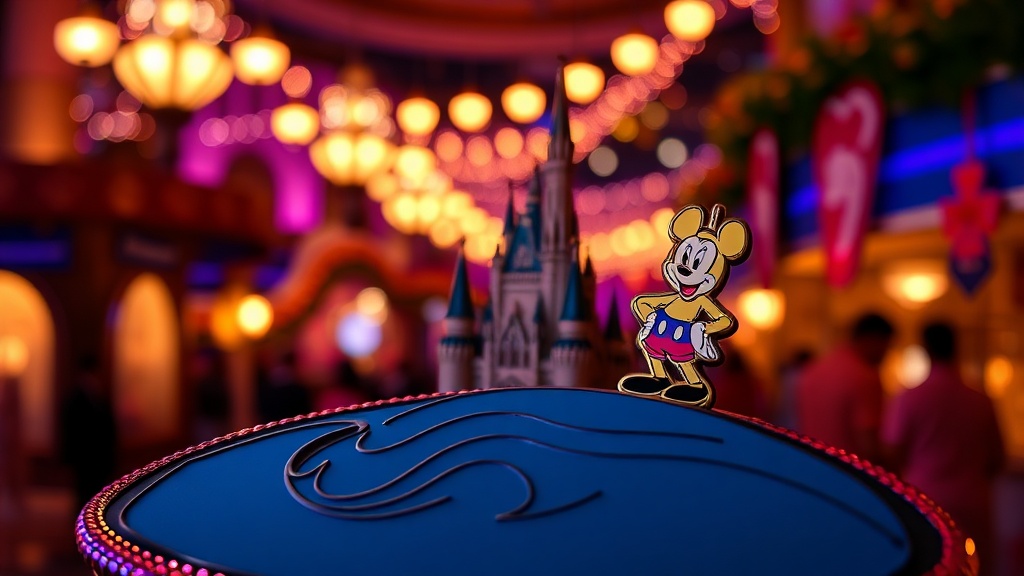
Consider a pin like the classic Cinderella Castle Fantasyland pin, perhaps from a limited edition release a decade ago. It’s not just a miniature rendition of an iconic landmark; it’s a tiny, carefully constructed world. The turrets gleam, the fairy dust shimmers, and the vibrant blues and pinks evoke that undeniable sense of magic. This isn't accidental—it's the culmination of thoughtful artistry and precise execution. For dedicated collectors, understanding the meticulous process behind these little treasures can deepen appreciation far beyond simple acquisition. This post dives into the often-overlooked design elements that make Disney pins such compelling works of art, exploring how narratives are compressed, emotions are conveyed, and magic is captured within inches of metal and enamel.
Disney pins are more than just merchandise; they’re miniature canvases, each telling a story, commemorating an event, or celebrating a character. From the subtle curve of a character’s smile to the intricate filigree framing a scene, every detail is considered. It’s this commitment to storytelling through design that elevates them from simple collectibles to cherished artifacts.
How do Disney pin designers capture iconic moments?
Translating a sprawling animated scene or a beloved character’s personality into a tiny pin presents a unique challenge, one Disney designers meet with remarkable ingenuity. They often begin by identifying the quintessential elements—the defining pose, the most recognizable expression, the key visual cues that instantly telegraph a story or character. Think of a pin featuring Stitch; it’s rarely just a static portrait. Instead, he might be caught mid-leap, strumming a ukulele, or flashing that mischievous grin—actions that perfectly encapsulate his chaotic charm. Designers work to distill complex narratives into a single, compelling image, relying on strong silhouettes, dynamic composition, and strategic color palettes.
Color, for instance, plays a huge part in evoking mood and authenticity. The specific shade of Sleeping Beauty’s gown, the warm glow emanating from Rapunzel’s lantern, or the cool, ethereal blues of Elsa’s ice palace are all meticulously chosen to align with established visual canons. They don’t just paint; they color-code emotions and memories. The use of perspective, even in a two-dimensional pin, can also create a sense of depth or movement. A character positioned slightly off-center, gazing towards an unseen element, can imply a larger story unfolding beyond the pin’s edge. It’s a masterclass in visual shorthand, where every line, every shade, and every placement serves to capture and communicate a piece of Disney magic.
What role do materials and finishes play in a pin's appeal?
The tactile and visual qualities of a Disney pin are largely determined by its materials and finishes, elements that significantly influence its overall appeal and perceived value. It’s not just about the image; it’s about how that image is brought to life. Two primary enamel types dominate: hard enamel and soft enamel. Hard enamel pins offer a smooth, polished surface where the enamel is flush with the metal lines, creating a sleek, jewelry-like finish. This look often lends itself to more classic, timeless designs.
Soft enamel, conversely, sits below the metal lines, creating a textured surface where the metal ridges can be felt. This technique allows for greater detail and often features vibrant, deeply recessed colors, giving the pin a more dimensional feel. Beyond enamel, designers employ an array of specialized finishes to enhance a pin’s character. Glitter effects add sparkle to fairy wings or snow-covered landscapes, while pearlescent finishes give an iridescent sheen to elements like bubbles or mystical portals. Pins might incorporate translucent “stained glass” effects, allowing light to pass through, or feature elaborate 3D sculpting that literally adds another dimension to the design.
The metal finish itself—be it gold, silver, black nickel, or antique bronze—contributes to the pin’s aesthetic. A shiny gold finish might highlight the elegance of a princess pin, while black nickel often provides a modern, stark contrast for villains or more edgy designs. These choices aren't arbitrary; they’re carefully selected to complement the pin’s subject matter and enhance its artistic intent. For example, a pin depicting a vintage attraction might use an antique bronze finish to evoke a sense of nostalgia and age, grounding it in a particular historical period.
Where can collectors find in-depth information on pin design?
For collectors eager to go beyond surface-level appreciation and truly understand the nuances of Disney pin design, several excellent resources exist. The official channels are always a great starting point. Disney often publishes articles on the