6 Best Ways to Organize Your Pin Collection

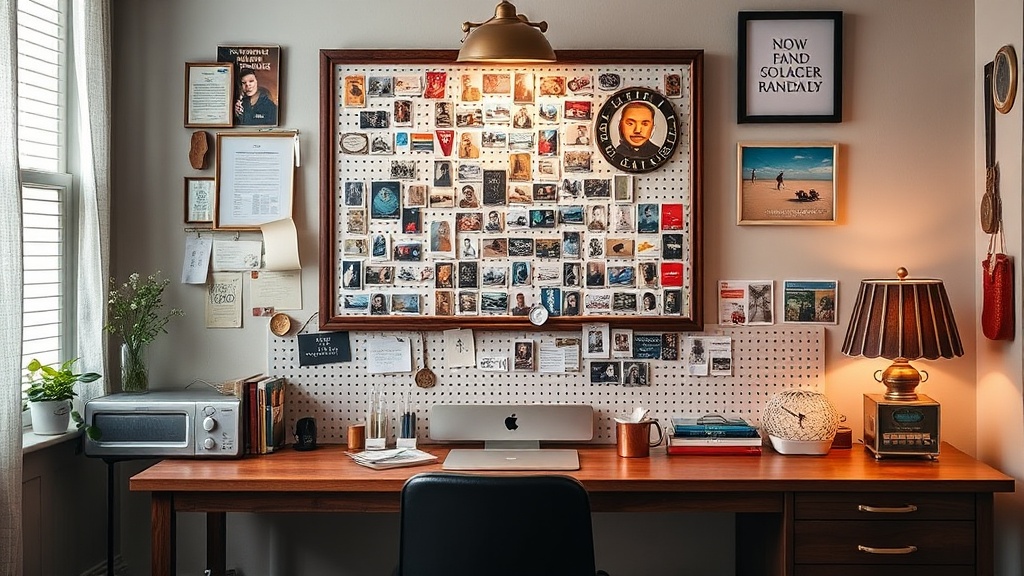
Classic Pin Boards
Elegant Pin Books
Shadow Boxes
Magnetic Display Strips
Customizable Pin Frames
Travel Pin Cases
Many collectors believe that a massive, disorganized pile of pins is just part of the hobby's charm. They think that as long as the pins are safe, it doesn't matter how they're displayed. That's a mistake. A disorganized collection leads to scratched enamel, bent posts, and—most importantly—the loss of that "wow" factor when you show off your hard work. Organizing your collection isn't just about tidiness; it's about protecting your investment and making sure you can actually find that one limited edition Mickey pin when you want to trade it.
This guide breaks down the most effective ways to categorize, display, and protect your Disney pins. We'll look at everything from wall displays to portable storage solutions so you can keep your collection looking pristine.
How Should You Organize a Disney Pin Collection?
The best way to organize a Disney pin collection is by categorizing them based on a specific theme, such as character, series, or color. While some people prefer sorting by size, grouping by subject matter—like Princesses, Villains, or Marvel—makes it much easier to spot gaps in your collection. If you're just starting out, you might want to check out my tips for starting a Disney pin collection to get your foundation right.
Grouping by theme allows you to see the evolution of a specific line. For instance, if you collect the "Classic Stitch" series, you'll want them side-by-side to appreciate the subtle design changes. It also makes trading much easier at the parks. If someone asks to trade a specific character, you won't be digging through a bin of random pins to find a match.
Top Display Methods Compared
Different displays serve different purposes. A wall-mounted display is great for a "showpiece" collection, while a binder is better for a high-volume trading collection. Here is a quick breakdown of how common storage methods stack up:
| Method | Best For | Pros | Cons |
|---|---|---|---|
| Display Boards | Wall Decor | High visibility, looks professional | Pins are exposed to dust/sun |
| Pin Books/Binders | High-Volume Collectors | Portable, protects from scratches | Harder to view all pins at once |
| Acrylic Cases | Premium/Limited Editions | Maximum protection, looks high-end | Can be expensive and bulky |
| Cork Boards | Budget Displays | Cheap, easy to rearrange | Can damage pin backs over time |
What Are the Best Ways to Display Disney Pins?
The best way to display your pins is to use a method that balances visibility with protection from environmental damage. If you hang a display in a room with heavy sunlight, the UV rays can actually fade the enamel on your pins over time (and nobody wants a faded Cinderella pin).
If you want your collection to be the center of attention in your home, go for a wall-mounted display. You can use shadow boxes or custom-made wooden boards. These are perfect for your "grail" pins—those incredibly rare or expensive pieces you're most proud of. Just be sure to keep them away from direct sunlight and high humidity.
For those with a massive collection that isn't meant for constant display, binders are your best friend. You can find specialized pin books that use soft sleeves to prevent the metal from clashing. This is a much safer way to store pins than throwing them into a generic jewelry box. It also makes it easy to bring your collection to a Disney trading event or a friend's house.
The "Shadow Box" Approach
A shadow box is a deep frame that allows you to create a 3D effect. You can layer pins or even add small props—like a tiny stuffed Pluto or a miniature castle—to add depth. It's a great way to tell a story with your collection. Just remember to use rubber pin backs (also known as clutch backs) instead of the cheap metal ones that come with most pins. The rubber ones grip the post more securely and won't fall off if the board is bumped.
How Can You Prevent Pin Damage During Storage?
You can prevent pin damage by using rubber clutches and avoiding contact between metal surfaces. When pins rub against each other in a bag or a tight binder, the metal can scratch, and the enamel can chip. This is a huge bummer when you're trying to maintain the value of a high-end piece.
Here are a few things to watch out for:
- Metal-on-Metal Friction: Never store pins loose in a pouch. The constant movement will cause "scuffing."
- Humidity: Moisture is the enemy of metal. If you live in a humid area, consider using a desiccant pack in your storage bins.
- The "Clutch" Factor: Always use high-quality rubber backs. They provide a better grip and prevent the pin from leaning or falling.
- UV Exposure: As mentioned, sunlight is a silent killer of color. If your display is near a window, the colors will eventually bleach out.
It's also worth noting that the type of backing you use matters. If you're using a cork board, be aware that cork can crumble over time. For long-term storage, a fabric-lined board or a specialized plastic organizer is a much more stable option.
Can You Use Household Items for Pin Organization?
Yes, you can use various household items for organization, but they should only be used for temporary storage or low-value pins. While it's tempting to grab a piece of foam or a piece of felt from a craft drawer, these materials aren't always designed for long-term metal storage.
If you're in a pinch, a standard cork bulletin board works for a quick display. However, for your more expensive or limited edition pieces, I wouldn't recommend it. The constant pressure of the pin post against the cork can eventually weaken the material.
Instead, look for items designed specifically for collectibles. If you want a DIY solution, you can use a heavy-duty felt sheet mounted to a wooden-framed board. This provides a much smoother surface for the pins to sit against. You can find detailed information on material safety and durability through resources like Wikipedia's material science entries if you're curious about how different surfaces interact with metals.
DIY Organization Ideas
- The Fabric Frame: Take an old wooden picture frame, remove the glass, and staple a piece of thick velvet or linen to the back. It looks classy and is gentle on the enamel.
- The Acrylic Organizer: Use clear acrylic drawers (often sold for makeup or office supplies) to keep small pins sorted by color or theme.
- The Pegboard: If you have a large collection, a pegboard with small hooks can allow you to hang pins or even hang them on small display stands.
One thing to keep in mind—don't get too carried away with the DIY stuff if you're planning on selling your collection later. A professional-looking display or a high-quality binder actually adds value to your collection if you ever decide to part with it. A disorganized pile of pins in a plastic baggie isn't going to command the same price as a well-curated collection in a clean, organized binder.
Whether you're a casual collector or a serious enthusiast, taking the time to organize your pins is a way of respecting the hobby. It keeps your pieces safe, makes your collection easier to enjoy, and ensures that your favorite Disney memories stay bright for years to come.